Finalrentals Blog


Published in Car Rentals Category.
If you are visiting Central Europe, renting a car can be the easiest way to see more than one country. With a rental car in Slovakia, you can start in places like Bratislava, then continue into nearby countries for day trips or a longer road adventure. Cross-border driving is usually possible in this region, but it is not “automatic.” You normally need the rental company’s permission in writing, and you may need to pay an extra cross-border add-on.
Cross-Border Travel With a Rental Car in Slovakia
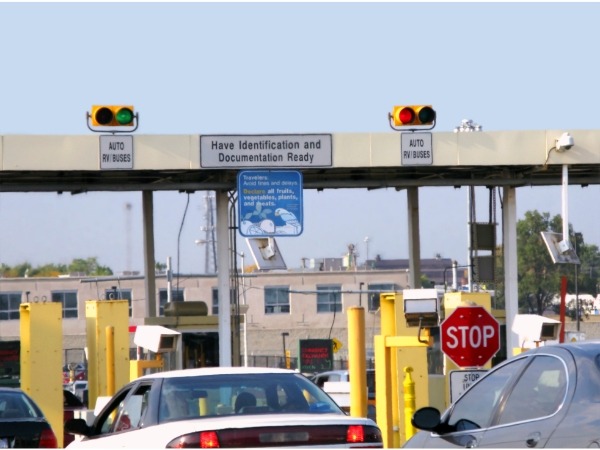
Cross-border car rental in Slovakia means you pick up the car in Slovakia and drive it into another country during your rental period. You might drive across a border for a quick city visit, or build a full road trip itinerary that includes several stops over a few days.
Even though many borders in this part of Europe are easy to cross, the rental company still needs to know where the vehicle will be going. Your car’s insurance and roadside assistance must be valid in the country you enter. That is why rental companies often ask you to request permissions before you drive abroad.
Why Cross-Border Road Trips are Popular in Central Europe
Central Europe is ideal for road trips because countries are close together and motorways connect major towns. Slovakia has several neighbours with famous sights, making it a practical base for short drives. Still, checks can happen, so you should always carry your ID and rental documents.
Rules for Cross-Border Travel With a Rental Car in Slovakia
Cross-border rules are set by the rental company, then supported by the vehicle’s insurance and assistance coverage. Your permission must match your planned countries, and it should be documented.
Requirement for Prior Written Approval From the Rental Desk
Most rental companies expect you to ask before you leave Slovakia and get authorisation in writing. In practice, you inform them of your travel plan. Then, the company updates the paperwork or provides a written confirmation you can show if needed.
Countries Allowed for Cross-Border Travel
After approval, a rental car in Slovakia may typically be allowed to travel to specific nearby and “low-risk” countries. The allowed list varies by provider and vehicle type. Common countries included are Austria, the Czech Republic, Poland, Hungary, Croatia, Slovenia, Germany, Italy, Switzerland, France, Luxembourg, the Netherlands, and Belgium.
Why Rental Companies Require Notification
Rental companies ask because they need to manage risk and ensure the car is covered in the correct insurance territory. Even inside Europe, rental terms, roadside assistance options, and theft risks can change by country.
Notification also helps the company track the vehicle and support you if something happens abroad. For example, if you call for help in another country, the assistance team may first check whether cross-border travel has been approved in the booking system.
Cross-Border Fees and Additional Costs
A cross-border add-on is usually priced like an extra service (similar to an additional driver or a child seat). It often covers administrative processing plus the cost of extending protections into approved countries. The most important thing is to understand whether the charge is one-time, per day, or based on country groups before you leave Slovakia.
One-Time Cross-Border Fee
Many providers charge a one-time cross-border fee for driving a rental car outside the country of pick-up. In simple terms, you pay once, and you can usually cross borders multiple times during the same rental. You may see a Slovakia car rental cross-border fee of 50 EUR for the whole rental. Some companies set different amounts depending on the countries you visit.
Situations Where Additional Costs May Apply
Extra charges can appear when your trip changes. If you enter countries outside the approved list, extend the rental, switch vehicle category, or change your return location, the company may recalculate the cross-border option or apply a surcharge.
You may also be asked to pay a higher security deposit for international travel, especially if the rental desk considers the route to be higher risk. If you are planning long-distance travel, the desk may recommend an insurance upgrade.
Finally, do not confuse cross-border travel with one-way rentals. If you pick up in Slovakia and return the car in another country, that is a different service and often has different pricing and rules.
Responsibilities When Driving Across Borders
When you drive internationally, the legal system can change after every border, but your rental obligations stay with you. You must follow local road laws, pay tolls correctly, and protect the vehicle at all times. If something goes wrong abroad, your first point of reference is still your rental agreement and the emergency numbers it lists.
Driver Responsibility for Damages and Violations
You are responsible for the car during the rental period, which means you assume the primary liability for damage caused by misuse, careless driving, or violations of local rules. The same applies to traffic fines and unpaid road charges. Different countries use barriers, cameras, and number-plate checks. Keep your receipts and payment confirmations when possible.
Consequences of Crossing Borders Without Notification
Crossing a border without approval can trigger penalties under your rental terms. More importantly, if you break the cross-border rule, you can void insurance and breakdown support.
Documents and Preparation for Cross-Border Travel
International driving is smoother when your documents are complete and easy to show. In the Schengen region, borders can feel open, but you still need a valid ID to travel between countries. Also, many motorway payments in this area depend on your number plate, so the accuracy of your details matters. Carry these essentials in your rental car in Slovakia:
- Your valid driving licence (plus any required translation/permit)
- Your passport or national ID card (a driving licence is not a travel document)
- Your rental agreement showing cross-border approval in writing
- Your insurance and roadside assistance information from the rental company
Takeaway
A rental car in Slovakia can make it easy to explore more of Central Europe, but a little preparation goes a long way. Before your trip, confirm that the rental company allows cross-border travel and keep all your documents with you while driving. Once the basics are sorted, you can start discovering new cities, landscapes, and cultures.
Rent a car in Slovakia with Final Rentals to access well-maintained vehicles and start travelling across borders. Select your pickup location, enter your travel dates, and choose a vehicle for your trip. Book and manage your car rental at any time. Download the Final Rentals app on Google Play and the App Store.
Frequently Asked Questions
Do I need permission to drive a rental car in Slovakia to another country?
Yes, you usually need written approval from the rental company, as cross-border driving depends on the pick-up country, car type, and destination. Without it, you may risk problems with insurance or assistance if something happens abroad.
Is the cross-border fee paid once or every time I cross a border?
Many providers treat it as a one-time add-on fee for the entire rental, even if you cross borders multiple times. Still, some companies use tiered pricing by country group, so check your booking details carefully.
Do I need an IDP for cross-border driving in Central Europe?
If your licence is from the EU/EEA and written in Latin characters, it is often accepted without an IDP. However, requirements can vary, and some rental desks may still request extra documentation. If you are visiting from outside Europe or your licence is not in a Latin alphabet, carrying an IDP can avoid confusion.